
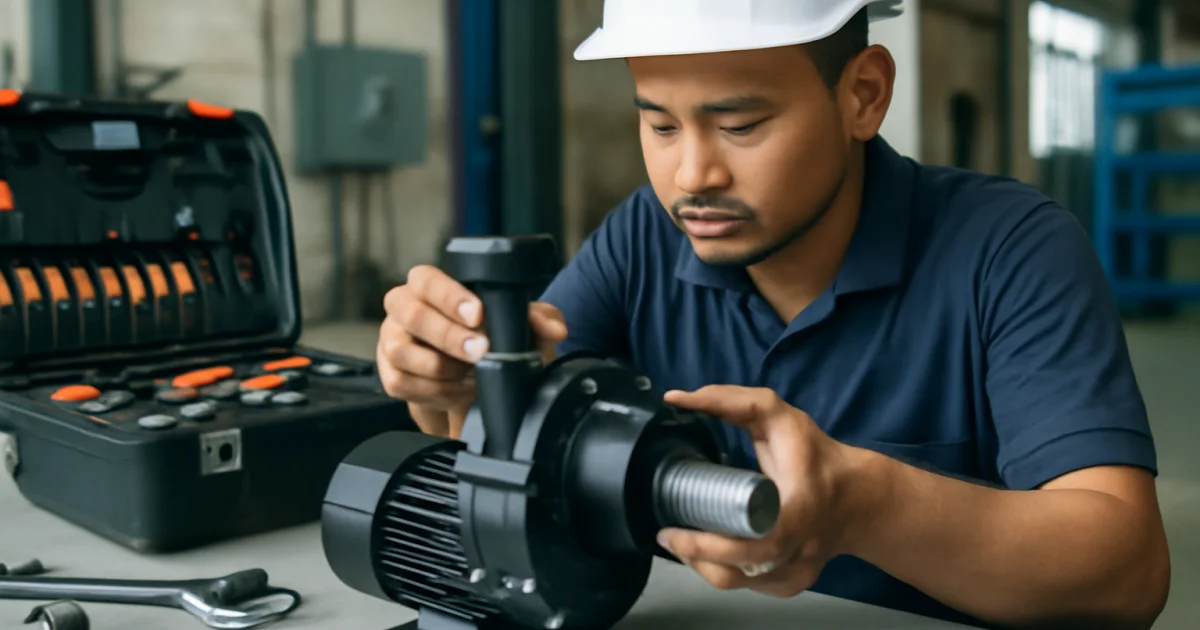
Industrial facilities in Malaysia rely on robust pump systems to ensure consistent production, process control, and plant safety. March Pump Malaysia is a popular choice for chemical processing, water treatment, and semiconductor manufacturing due to its proven reliability and resistance to aggressive fluids. However, even the best pumps need correct installation and ongoing maintenance to deliver optimal performance and service life. This comprehensive tutorial provides a practical, step-by-step approach for installing and maintaining your March Pump in Malaysian industrial settings.
Why Proper Installation and Maintenance Matter
Improper installation or neglected maintenance can lead to reduced pump efficiency, premature failure, costly downtime, and safety hazards—especially in demanding sectors such as food processing or semiconductor manufacturing. By following proven procedures, you ensure your March Pump runs smoothly, protects process equipment, and supports critical production goals.
Step 1: Pre-Installation Preparation
Before beginning, ensure you have the correct pump model for your application. Refer to your system’s requirements for flow rate, pressure, chemical compatibility, and temperature. Check the delivered pump package for all necessary components, including fittings, mounting hardware, and manufacturer documentation.
- Inspect the pump for transit damage or missing parts.
- Review technical data sheets for pressure, flow, and fluid compatibility.
- Prepare tools: adjustable wrenches, pipe dope or PTFE tape, mounting bolts, electrical wiring tools, and personal protective equipment (PPE).
Step 2: Site Selection and Mounting
Choose a clean, dry, and accessible location with adequate ventilation. The pump should be as close as possible to the fluid source to minimize suction lift and prevent cavitation. Ensure the mounting surface is flat and robust enough to support the pump weight and operational vibration.
- Position the pump horizontally unless specified otherwise by the manufacturer.
- Secure the base to the mounting surface using suitable bolts or vibration dampeners for noise-sensitive environments.
- Allow enough clearance for service access and routine inspections.
Step 3: Piping and Connections
Proper piping is crucial to prevent leaks, air locks, and mechanical stress. Use compatible industrial fittings or s s fittings for corrosion resistance, especially in chemical service. March Pumps typically use threaded or flanged connections—verify this before assembly.
- Install isolation valves on both suction and discharge lines for easier maintenance.
- Ensure all pipework is supported independently—never let pipe weight hang on the pump.
- Use flexible connectors to absorb vibration and accommodate thermal movement.
- Seal threads with PTFE tape or suitable sealant to prevent leaks.
- Double-check for correct flow direction as indicated on pump housing.
Step 4: Electrical Connection and Commissioning
Only qualified personnel should perform electrical work. Confirm all electrical specifications (voltage, phase, frequency) match your system and local standards.
- Connect the pump motor to a dedicated circuit with appropriate overload and short-circuit protection.
- Verify all wiring is secure and terminals are tight.
- Check earth/ground connections for safety compliance.
- Prime the pump as instructed in the manual before initial startup.
- Start the pump briefly to check rotation direction. If incorrect, swap two motor wires (for three-phase models).
- Monitor for abnormal sounds, leaks, or vibration during the first run. Immediately stop and address any issues.
Step 5: Routine Maintenance for Reliable Operation
Regular maintenance extends your pump’s lifespan and ensures consistent performance. Establish a maintenance schedule based on manufacturer guidelines and operating conditions.
- Inspect visually for leaks, unusual noises, or vibration weekly.
- Check and clean filters or strainers monthly to prevent clogging.
- Verify electrical connections remain tight and free from corrosion.
- Lubricate bearings if applicable, following manufacturer recommendations.
- Monitor flow and pressure with level gauges or flowmeters (such as NBDC flowmeter Malaysia) to ensure the pump is operating within specifications.
- Replace worn seals or gaskets as needed to prevent leaks.
- Document all maintenance activities for compliance and future troubleshooting.
Step 6: Troubleshooting Common Issues
If you notice reduced flow, excessive noise, or unexpected shutdowns, address these issues promptly:
- Low flow or pressure: Check for clogged filters, airlocks, or partially closed valves. Inspect for leaking connections or worn impellers.
- Pump not starting: Confirm electrical supply, overload relays, and control panel status.
- Leaks: Tighten connections, replace seals or gaskets, and check for pipe misalignment.
- Unusual vibration: Inspect for loose mounts, misalignment, or worn bearings.
- Overheating: Ensure adequate ventilation and that the pump is not running dry.
Conclusion: Ensuring Long-Term Pump Performance
Correct installation and proactive maintenance of your March Pump Malaysia are critical for uninterrupted industrial operations. By following these step-by-step procedures, you not only maximize pump efficiency and reliability but also extend equipment service life and reduce costly downtime. Remember, partnering with a reputable supplier ensures access to genuine parts, professional support, and quick troubleshooting should you need it.
Frequently Asked Questions
Who is the supplier of March Pump Malaysia?
Wintech Engineering Supply is a trusted supplier of March Pump Malaysia, offering technical support, genuine spare parts, and a wide range of industrial pumps and components for Malaysian industries.
What are the key steps for installing a March Pump in Malaysia?
Key steps include: preparing the installation site, ensuring correct pump selection, securing the pump on a robust surface, connecting piping and fittings properly, making safe electrical connections, and performing initial startup checks as per the manufacturer’s manual.
How often should March Pumps be maintained in industrial environments?
Routine visual inspections should be done weekly, with deeper checks such as cleaning filters, checking electrical connections, and inspecting seals performed monthly. Follow manufacturer guidelines for lubrication and schedule periodic preventive maintenance.
What are common issues with industrial pump installations and how can they be prevented?
Common problems include leaks, airlocks, vibration, and low pressure. Prevention involves proper installation, using compatible fittings, securing pipework, regular maintenance, and monitoring flow and pressure with suitable instruments.
Why is it important to use genuine parts and trusted suppliers for March Pumps?
Using genuine parts ensures compatibility, reliability, and warranty protection. Trusted suppliers like Wintech Engineering Supply provide technical expertise, fast sourcing, and after-sales support, reducing downtime and long-term costs.
Get Expert Support for March Pump Malaysia Installation & Maintenance
Ensure your industrial operations run smoothly by partnering with Wintech Engineering Supply—Malaysia’s trusted source for March Pump installation, maintenance, and technical support. Our experienced team provides engineering consultation, genuine pump parts, and a comprehensive selection of valves, fittings, instrumentation, and flow measurement solutions for every industry need. Contact us today to discuss your project or schedule expert maintenance for lasting pump performance.
